Is Your Stress Making You Store Belly Fat?
In our fast-paced modern world, stress has become an unwelcome constant. While its impact on mental well-being is widely acknowledged, many are surprised to learn that chronic stress can have a profound and direct effect on our physical health, particularly when it comes to weight gain.
For years, researchers have explored the intricate relationship between our emotional state and our waistline. The emerging consensus points to a powerful hormonal link, primarily involving a hormone known as cortisol, which plays a critical role in stress-induced abdominal fat accumulation. Understanding this connection is the first step towards taking control of your body and your health.

The Stress Response: A Primal Mechanism Gone Awry
To truly grasp the link between stress and belly fat, we must first understand the body's fundamental stress response system.
Imagine our ancestors encountering a predator. Their bodies would instantly activate the "fight or flight" response, a sophisticated survival mechanism designed to provide a burst of energy and heightened awareness. This response is orchestrated by the hypothalamus-pituitary-adrenal (HPA) axis, a complex network of glands and hormones. When a threat is perceived, the HPA axis springs into action, releasing a cascade of hormones, most notably cortisol and adrenaline.
Adrenaline provides immediate energy, increasing heart rate and blood pressure. Cortisol, often called the primary "stress hormone," plays a more prolonged role. It mobilizes glucose from stores, suppresses non-essential bodily functions (like digestion and immune response), and helps the body cope with the stressor over a longer period. This system is incredibly efficient for acute, short-term threats.
However, in modern life, our stressors are rarely life-threatening but are often chronic: work deadlines, financial worries, relationship issues, or even constant digital stimulation. Our bodies, still operating on ancient programming, react to these persistent psychological stressors as if they were physical threats. The HPA axis remains activated, leading to chronically elevated levels of cortisol. It's this sustained elevation of cortisol that becomes problematic for our metabolism and leads to unwanted changes in body composition, particularly the accumulation of fat around the midsection.
Understanding this evolutionary mismatch is crucial. Our bodies aren't designed to be in a constant state of alert, yet for many, that's precisely what modern life demands. This sustained physiological state has far-reaching consequences, impacting everything from our sleep quality to our ability to burn fat effectively.
Cortisol: The Double-Edged Sword of Weight Gain
Cortisol is not inherently bad; it's vital for life. But chronic excess of this powerful hormone can wreak havoc on your metabolic health.
When cortisol levels are consistently high, it sends signals to the body that it's in a state of emergency, prompting it to conserve energy and store fat. This isn't a random process; cortisol has specific mechanisms through which it promotes weight gain, especially around the abdomen. Here's how:
1. Increased Appetite and Cravings
One of cortisol's most direct effects is on appetite. High cortisol levels are linked to an increase in hunger and cravings, particularly for high-calorie, sugary, and fatty "comfort foods." These foods provide a temporary sense of pleasure and can briefly reduce stress, but they lead to excess calorie intake and further weight gain. This is part of a complex interplay with other hormones like leptin and ghrelin, which regulate hunger and satiety. When cortisol is high, the body's ability to recognize fullness can be impaired, leading to overeating.
2. Fat Storage Redistribution
Cortisol doesn't just promote fat storage; it influences where that fat is stored. Studies consistently show that elevated cortisol levels are associated with an increase in visceral fat—the dangerous fat that accumulates deep within the abdominal cavity, surrounding organs like the liver, stomach, and intestines. Visceral fat is more metabolically active than subcutaneous fat (the fat just under the skin) and is strongly linked to a higher risk of heart disease, type 2 diabetes, and other metabolic syndromes. This preferential storage of fat in the abdominal area is a hallmark of stress-induced weight gain, often leading to the term "stress belly."
3. Slowed Metabolism and Energy Conservation
In a perceived state of emergency, your body becomes incredibly efficient at conserving energy. Chronically high cortisol can lead to a slowdown in your metabolic rate, meaning you burn fewer calories at rest. This makes it harder to lose weight even if you maintain a consistent diet and exercise routine. The body prioritizes survival, interpreting the constant stress signals as a need to hoard resources rather than expend them.
4. Insulin Resistance
Cortisol naturally raises blood sugar levels to provide quick energy during a stressful event. When stress is chronic, blood sugar remains elevated, prompting the pancreas to release more insulin. Over time, cells can become less responsive to insulin, a condition known as insulin resistance. Insulin resistance is a major contributor to weight gain, particularly around the abdomen, and is a precursor to type 2 diabetes. When cells can't absorb glucose efficiently, the body stores it as fat, further exacerbating the weight problem.
These interconnected mechanisms create a vicious cycle where stress leads to weight gain, which can then become a source of stress itself, making it even harder to break free. Understanding this cycle is the first step towards developing effective strategies to manage both stress and your weight.
💡 Key Takeaway
Chronic stress triggers sustained high cortisol levels, which directly promote increased appetite, preferential storage of dangerous visceral belly fat, slowed metabolism, and insulin resistance, creating a challenging cycle for weight management.
Beyond Cortisol: Other Stress-Related Factors in Weight Gain
While cortisol is a major player, it's not the only way stress impacts your weight. Several behavioral and physiological changes triggered by stress can also contribute to unwanted pounds.
1. Sleep Deprivation: Stress often disrupts sleep patterns, leading to insomnia or poor sleep quality. Lack of adequate sleep (7-9 hours per night) significantly impacts hormones that regulate hunger and satiety, namely ghrelin (which stimulates appetite) and leptin (which signals fullness). When you're sleep-deprived, ghrelin levels rise, and leptin levels fall, leading to increased hunger and cravings for high-calorie foods. Furthermore, fatigue makes it harder to make healthy choices and engage in physical activity.
2. Poor Food Choices: When stressed, many individuals turn to "comfort foods" – typically high in sugar, unhealthy fats, and refined carbohydrates. These foods provide a temporary dopamine rush, offering a fleeting sense of relief or reward. This emotional eating often occurs irrespective of true hunger, leading to excessive calorie intake and nutrient deficiencies. The convenience of fast food or processed snacks also appeals during stressful periods when time and energy for healthy meal prep are scarce.
3. Reduced Physical Activity: Stress can deplete energy and motivation, making it harder to stick to an exercise routine. For some, the thought of hitting the gym after a long, stressful day is simply overwhelming. A decrease in physical activity means fewer calories burned and less muscle mass maintained, both of which are detrimental to weight management and metabolic health. Exercise is a powerful stress reliever, so reducing it creates another negative feedback loop.
4. Digestive Issues: The gut-brain axis is highly sensitive to stress. Chronic stress can lead to digestive problems such as irritable bowel syndrome (IBS), bloating, and changes in gut microbiome composition. An unhealthy gut microbiome has been linked to inflammation, altered metabolism, and increased fat storage, further complicating weight management efforts.
It's clear that the relationship between stress and weight is multifaceted. It's not just about willpower or diet; it's about a complex interplay of hormones, behaviors, and physiological responses that can sabotage even the most dedicated weight loss efforts. Recognizing these interconnected factors is essential for developing a comprehensive strategy to manage both stress and your weight effectively.
Strategies to Combat Stress-Induced Belly Fat
While the connection between stress and belly fat can seem daunting, the good news is that you have the power to mitigate its effects. A holistic approach focusing on stress management and metabolic support is key.
Mindfulness and Relaxation Techniques
Practices like meditation, deep breathing exercises, yoga, and tai chi are proven to activate the parasympathetic nervous system, counteracting the "fight or flight" response. Regular practice can significantly lower cortisol levels, reduce anxiety, and promote a sense of calm. Even a few minutes of mindful breathing daily can make a difference.
Regular Physical Activity
Exercise is a potent stress reliever. It helps burn off excess adrenaline and cortisol, releases endorphins (natural mood boosters), and improves sleep quality. Aim for a mix of cardiovascular exercise and strength training. Even moderate activities like brisk walking can be highly effective. This also contributes to overall weight loss remedies that work.
Balanced Nutrition
Prioritize whole, unprocessed foods. A diet rich in fruits, vegetables, lean proteins, and healthy fats helps stabilize blood sugar, reduces inflammation, and provides essential nutrients for stress resilience. Limit sugar, refined carbohydrates, and excessive caffeine, which can exacerbate stress and blood sugar spikes. Consider incorporating foods known to support gut health, as a healthy gut can influence mood and stress response.
Adequate Sleep
Make sleep a priority. Establish a consistent sleep schedule, create a relaxing bedtime routine, and ensure your bedroom is dark, quiet, and cool. Quality sleep is crucial for hormonal balance, including cortisol regulation, and can significantly impact your energy levels and ability to manage stress and cravings throughout the day.
Social Support and Connection
Connecting with loved ones, friends, or support groups can provide emotional resilience and reduce feelings of isolation. Sharing your feelings and experiences can be a powerful stress buffer, activating calming neural pathways and helping to put stressors into perspective. Don't underestimate the power of human connection.
Natural Supplements for Support
While not a magic bullet, certain natural supplements can offer complementary support in managing stress and metabolism. Ingredients like adaptogenic herbs (e.g., Ashwagandha, Ginseng) can help the body adapt to stress, while others (e.g., Berberine, Green Tea Extract) may support healthy blood sugar and fat metabolism. Always consult your doctor before adding new supplements to your regimen.
Understanding the Role of Natural Ingredients in Metabolic Health
When seeking natural support for stress and metabolism, certain botanical extracts and compounds have garnered attention for their potential benefits. These ingredients often work by influencing key physiological pathways related to energy expenditure, fat storage, and the body's response to stress. One such solution that incorporates several of these beneficial ingredients is CitrusBurn.
CitrusBurn is formulated with a blend of natural ingredients, each selected for its potential to contribute to a healthy metabolism and support the body's natural stress response. It aims to offer a holistic approach to managing weight, particularly when stress-related factors are at play. Let's look at some of the key components and their science-backed benefits.
For example, ingredients like Berberine have been studied for their ability to influence glucose metabolism and insulin sensitivity, which is crucial given cortisol's impact on blood sugar. Others, such as certain forms of ginseng, are known as adaptogens, meaning they help the body adapt to various stressors, potentially moderating the cortisol response.
The synergy of these components can provide comprehensive support, addressing not just fat burning but also the underlying hormonal imbalances that stress can create. While supplements like CitrusBurn are not a replacement for a healthy lifestyle, they can act as a powerful adjunct to your efforts in managing stress and achieving your weight goals. It's always important to consider the overall picture of health, including diet, exercise, and stress reduction techniques, as discussed earlier.
Key Ingredients in CitrusBurn and Their Benefits

Berberine HCL & Korean Red Ginseng
Role: Berberine is known for its impact on glucose metabolism and insulin sensitivity, helping to manage blood sugar levels. Korean Red Ginseng acts as a powerful adaptogen, supporting the body's resilience to stress and promoting energy. Together, they offer support for metabolic balance and stress response.
300mg Berberine HCL, 100mg Korean Red Ginseng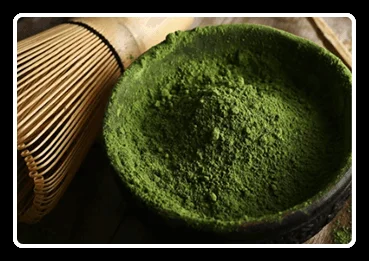
Ceremonial Green Tea Extract
Role: Rich in catechins, particularly EGCG, Ceremonial Green Tea is a potent antioxidant known to boost metabolism and promote fat oxidation. It can also support overall cellular health and provide a gentle energy lift without the jitters, contributing to a sense of well-being.
250mg (Standardized to 50% EGCG)
Andalusian Red Pepper
Role: Contains capsaicinoids that are known to induce thermogenesis, the process by which the body generates heat and burns calories. This can help increase metabolic rate and promote fat burning, particularly around the abdominal area, making it a valuable ally in weight management.
100mg (Standardized to 2% Capsaicinoids)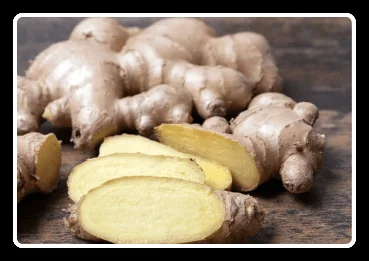
Himalayan Mountain Ginger
Role: Beyond its culinary uses, ginger is revered for its anti-inflammatory and digestive properties. It can support a healthy gut, which is crucial for overall metabolic health and can indirectly influence stress response. It also aids in nutrient absorption and may have thermogenic effects.
75mg (Standardized to 5% Gingerols)
Take Control of Your Metabolism & Stress Response Today
You no longer have to feel helpless against stress-induced belly fat. CitrusBurn offers a unique blend of scientifically-backed natural ingredients designed to support a healthy stress response, optimize metabolism, and target stubborn fat.
- Supports healthy cortisol levels for better stress management
- Boosts natural fat burning and thermogenesis
- Enhances metabolic rate for sustained energy
- Reduces stress-related cravings and emotional eating
- Formulated with premium, 100% natural ingredients



Real People, Real Results
"I've struggled with stress-induced weight gain for years, especially around my midsection. Since starting CitrusBurn, I've noticed a significant reduction in my cravings and my clothes fit better. I also feel calmer and more focused throughout the day. This has been a game-changer for me!"
"My doctor recommended I look into ways to manage stress to help with my metabolism. CitrusBurn seemed like a good natural option. I'm genuinely impressed. My energy levels are up, and I've shed some stubborn pounds that no amount of dieting could touch before. Highly recommend!"
"I was skeptical at first, but the science behind the ingredients made sense. After a few weeks of consistent use, I definitely feel less overwhelmed by daily stress, and my digestion has improved. The best part? My waistline is shrinking! It's an excellent addition to my wellness routine."
Frequently Asked Questions
How does chronic stress contribute to the accumulation of belly fat?
+Chronic stress triggers the release of cortisol, a hormone that promotes the storage of visceral fat (belly fat). Cortisol also increases appetite, especially for high-calorie comfort foods, and can slow down metabolism, making it harder to lose weight.
What is the primary role of cortisol in the body, and how does it affect weight?
+Cortisol is a key stress hormone vital for regulating metabolism, inflammation, and blood sugar. While essential, chronically elevated cortisol due to ongoing stress can lead to increased glucose production, insulin resistance, and a shift in fat storage towards the abdominal area, contributing to weight gain.
Can managing stress effectively lead to a reduction in abdominal fat?
+Absolutely. By actively managing stress through techniques like mindfulness, meditation, exercise, and adequate sleep, you can help lower cortisol levels. This, in turn, can reduce cravings, improve metabolic function, and decrease the body's tendency to store fat around the midsection.
What natural methods can help to lower elevated cortisol levels?
+Natural methods to lower cortisol include regular moderate exercise, sufficient sleep (7-9 hours), a balanced diet rich in whole foods, practicing mindfulness or meditation, spending time in nature, maintaining social connections, and incorporating adaptogenic herbs or supplements known to support stress response.
How does CitrusBurn specifically support metabolism and a healthy stress response?
+CitrusBurn contains a blend of natural ingredients like Berberine, Korean Red Ginseng, and Ceremonial Green Tea extract, which are recognized for their potential to support healthy blood sugar levels, enhance metabolic rate, and act as adaptogens to help the body cope with stress, indirectly influencing cortisol and fat storage.
Is CitrusBurn a safe and natural option for weight management and stress support?
+CitrusBurn is formulated with 100% natural ingredients and manufactured in a GMP-certified facility in the USA. It's designed to be a natural supplement to support weight management and stress response. However, it's always recommended to consult with a healthcare professional before starting any new supplement regimen.
Related Articles


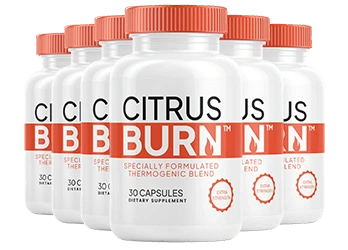
Final Verdict: Transform Your Metabolism with CitrusBurn
Clinically studied natural ingredients for fat burning, appetite control, and metabolic activation in 2026.