Feeling like your body has a "slow-mo" button after 50?
It's a common complaint: you eat the same, exercise the same, but the weight creeps on, and energy levels dwindle. This isn't just your imagination; it's often a sign that your metabolism, the engine that converts food into energy, is slowing down. But here's the good news: you're not powerless against it. With the right natural strategies, you can reignite your metabolic fire.
In this comprehensive guide, Dr. Rachel Torres, a neurology researcher with over 12 years of experience, will reveal the science behind metabolic slowdown after age 50 and provide actionable, evidence-based strategies to help you naturally boost your metabolism, reclaim your energy, and support healthy weight management. Get ready to discover how to turn your body into a more efficient, fat-burning machine, even as you embrace the wisdom of your golden years.
Understanding Metabolic Slowdown After 50
Before we can boost our metabolism, it's crucial to understand why it tends to slow down as we age. It's not just a matter of "getting older"; specific physiological changes contribute to this shift.
Your metabolism is essentially the sum of all chemical processes that occur in your body to maintain life. This includes converting food into energy, building and repairing tissues, and eliminating waste. Your Basal Metabolic Rate (BMR) – the number of calories your body burns at rest – accounts for about 60-75% of your total daily energy expenditure. After age 50, several factors conspire to lower this crucial number.
One of the primary culprits is sarcopenia, the age-related loss of muscle mass. Muscle tissue is metabolically active, meaning it burns more calories at rest than fat tissue. As we lose muscle (typically 3-8% per decade after age 30, accelerating after 50), our BMR naturally decreases. This means your body needs fewer calories to function, and if your caloric intake doesn't adjust, weight gain becomes almost inevitable.
Hormonal changes also play a significant role. For women, declining estrogen levels during perimenopause and menopause can lead to increased fat storage, particularly around the abdomen, and can negatively impact metabolic rate. For men, a gradual decline in testosterone can contribute to muscle loss and increased fat accumulation, further dampening metabolism. Thyroid function, while often overlooked, can also become less efficient with age, impacting overall energy regulation.
Furthermore, lifestyle factors often shift. Many individuals become less physically active as they age, reducing the calories burned through exercise and daily movement (Non-Exercise Activity Thermogenesis or NEAT). Chronic stress, which can elevate cortisol levels, and insufficient sleep also disrupt metabolic hormones and can lead to increased fat storage and a sluggish metabolism. Understanding these underlying mechanisms empowers us to target them effectively with natural interventions.
💡 Key Takeaway
Metabolic slowdown after 50 is driven by factors like muscle loss, hormonal shifts, and lifestyle changes. Addressing these root causes through targeted strategies is essential for effective metabolism boosting.
7 Natural Strategies to Boost Your Metabolism After 50
While you can't stop the aging process, you can certainly influence how your body ages metabolically. Here are seven evidence-backed, natural ways to rev up your metabolism, increase energy, and support a healthier weight after 50.
Prioritize Protein at Every Meal
Protein has the highest thermic effect of food (TEF), meaning your body burns more calories digesting it compared to fats or carbs. It's also crucial for building and maintaining muscle mass, which is your metabolic powerhouse. Aim for 25-30 grams of protein per meal from sources like lean meats, poultry, fish, eggs, dairy, legumes, and plant-based protein powders. This helps preserve muscle and keeps you feeling full, reducing overall calorie intake.
Embrace Strength Training
This is arguably the most impactful strategy for reversing age-related metabolic decline. Strength training builds and preserves muscle mass, directly increasing your BMR. More muscle means more calories burned, even when you're at rest. Aim for 2-3 full-body strength training sessions per week, focusing on compound movements like squats, deadlifts, presses, and rows. You don't need heavy weights; bodyweight exercises, resistance bands, or light dumbbells can be highly effective.
Stay Hydrated with Water
Water is essential for every metabolic process in your body. Studies show that drinking enough water can temporarily increase your metabolic rate. Cold water might even have a slight edge, as your body expends energy to warm it up. Aim for at least 8 glasses (64 ounces) of water daily, and even more if you're active. Sometimes, what feels like hunger is actually thirst, so staying hydrated can also help manage appetite.
Get Quality Sleep
Poor sleep disrupts hormones that regulate metabolism and appetite, specifically ghrelin (hunger hormone) and leptin (satiety hormone). Lack of sleep can also increase cortisol, a stress hormone linked to belly fat storage and insulin resistance. Aim for 7-9 hours of quality, uninterrupted sleep per night. Establish a consistent sleep schedule, create a dark, cool, quiet bedroom environment, and limit screen time before bed to optimize your sleep hygiene.
Manage Stress Effectively
Chronic stress leads to elevated cortisol levels, which can slow metabolism, increase fat storage (especially visceral fat around the organs), and stimulate sugar cravings. Incorporate stress-reducing practices into your daily routine, such as meditation, yoga, deep breathing exercises, spending time in nature, or engaging in hobbies you enjoy. Prioritizing mental well-being is a powerful, yet often overlooked, metabolic booster.
Incorporate NEAT (Non-Exercise Activity Thermogenesis)
Beyond structured workouts, increasing your daily movement can significantly boost calorie expenditure. NEAT refers to all the calories you burn doing non-exercise activities like walking, fidgeting, standing, and taking the stairs. Take regular breaks to move if you have a sedentary job, park further away, take the stairs instead of the elevator, or walk while on the phone. These small movements add up to a substantial metabolic advantage throughout the day.
Consider Metabolism-Supporting Nutrients & Supplements
While diet and exercise are foundational, certain natural compounds and supplements can provide additional support for your metabolic health. Ingredients like green tea extract, capsaicin (from red pepper), berberine, and specific B vitamins have been studied for their roles in enhancing fat oxidation, improving insulin sensitivity, and supporting energy production. Always consult with a healthcare professional before adding new supplements, especially if you have underlying health conditions or are taking medications. For those exploring natural solutions, you might also find this guide on natural weight loss relief remedies helpful.
Dietary Tweaks for a Faster Metabolism
Eat Whole, Unprocessed Foods
Focus on nutrient-dense, whole foods like fruits, vegetables, lean proteins, and whole grains. These foods require more energy to digest than highly processed options, contributing to a higher TEF. They also provide essential vitamins and minerals that support countless metabolic pathways. Processed foods, often high in refined sugars and unhealthy fats, can disrupt metabolism and promote fat storage.
Don't Fear Healthy Fats
While often demonized, healthy fats from sources like avocados, nuts, seeds, and olive oil are crucial for hormone production and satiety. They help stabilize blood sugar, preventing energy crashes that can lead to cravings and metabolic slowdown. Incorporate moderate amounts of these fats into your diet to support overall health and keep your metabolism running smoothly.
Limit Added Sugars and Refined Carbs
Excessive consumption of added sugars and refined carbohydrates can lead to insulin resistance, which directly hinders your body's ability to burn fat for fuel. These foods cause rapid spikes in blood sugar, followed by crashes that can leave you feeling tired and hungry, triggering a cycle that works against metabolic health. Consider a sugar detox to reset your palate and metabolic response.
Spice Up Your Meals
Certain spices, particularly capsaicin found in chili peppers, can have a mild thermogenic effect, temporarily boosting your metabolism and increasing fat burning. Turmeric, ginger, and cinnamon also offer metabolic benefits, including anti-inflammatory properties and improved insulin sensitivity. Incorporate these flavorful additions into your cooking for a natural metabolic kick.
How CitrusBurn Can Support Your Metabolic Goals
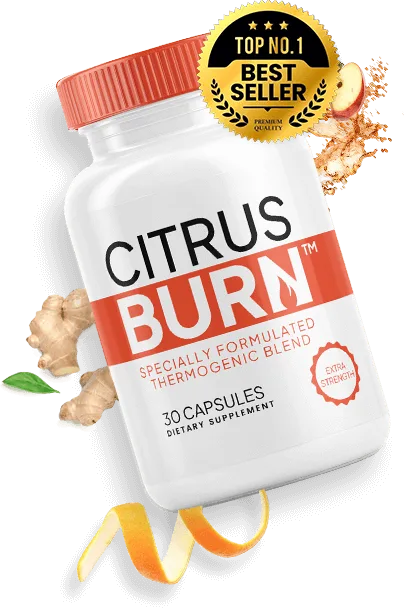
While the strategies above form the cornerstone of natural metabolism boosting, a targeted supplement can provide additional support, especially when your body needs an extra push after 50. CitrusBurn is formulated with scientifically backed natural ingredients designed to complement your efforts and help ignite your metabolic potential.

Andalusian Red Pepper Extract (Capsaicin)
Role: Boosts thermogenesis, increasing calorie and fat burning. It helps activate brown adipose tissue (BAT), which burns calories to generate heat.
100-200 mg
Berberine & Korean Red Ginseng
Role: Berberine supports healthy blood sugar levels and activates AMPK, a metabolic master switch that helps convert glucose into energy. Korean Red Ginseng enhances energy, reduces fatigue, and supports glucose metabolism.
Berberine 500-1000 mg, Ginseng 200-400 mg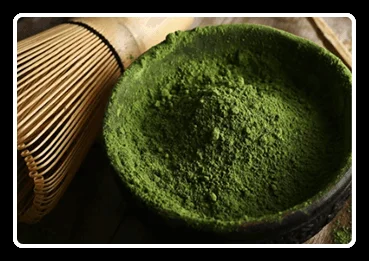
Ceremonial Green Tea (EGCG)
Role: Rich in EGCG, a powerful antioxidant that enhances fat oxidation and boosts metabolic rate, particularly during exercise. It also supports overall cellular health and energy production.
300-500 mg (standardized to EGCG)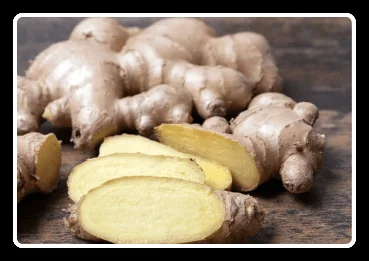
Himalayan Mountain Ginger
Role: Known for its thermogenic properties, ginger can help increase calorie expenditure and reduce appetite. It also supports digestion and has anti-inflammatory benefits, crucial for overall metabolic health.
200-400 mgCitrusBurn is designed to provide comprehensive metabolic support, addressing key areas of metabolic function that tend to decline with age. By combining these powerful natural ingredients, it aims to help your body burn fat more efficiently, maintain healthy blood sugar, and sustain energy levels throughout the day. For more information on supportive supplements, you might explore articles on the best fat burner supplements of 2025.
Ready to Re-Energize Your Metabolism?
Don't let age define your energy or your waistline. CitrusBurn offers a natural, science-backed approach to support your metabolic health after 50. Experience the difference of a revitalized metabolism.
- ✓ Supports healthy metabolism and fat burning
- ✓ Boosts natural energy levels
- ✓ Helps maintain healthy blood sugar
- ✓ Formulated with potent natural ingredients
- ✓ Made in USA in a GMP certified facility



Real Results from Real People
"I was so frustrated with my slow metabolism after 55. CitrusBurn, combined with my walks, has made a huge difference. I feel more energetic, and the stubborn belly fat is finally starting to budge. Highly recommend!"
"My energy used to crash every afternoon, making it hard to stay active. Since starting CitrusBurn, I've noticed a sustained energy boost throughout the day. It feels like my body is finally working with me, not against me. Plus, I've lost 7 pounds in 2 months!"
"As a busy grandmother, I needed something to help me keep up. CitrusBurn has been a game-changer for my metabolism and energy. I'm sleeping better, have fewer cravings, and generally feel more vibrant. It's truly helped me embrace my active lifestyle."
Frequently Asked Questions
Why does metabolism slow down after age 50?
+As we age, several factors contribute to a slower metabolism, including muscle loss (sarcopenia), hormonal changes (especially declining estrogen in women and testosterone in men), reduced physical activity, and cellular energy decline. These factors collectively reduce the number of calories your body burns at rest.
What are the most effective natural ways to boost metabolism?
+The most effective natural strategies include incorporating strength training to build muscle, prioritizing protein in your diet, ensuring adequate sleep, managing stress levels, staying well-hydrated, and consuming metabolism-supporting nutrients found in whole foods. Regular, consistent effort across these areas yields the best results.
Is it possible to lose weight effectively after 50 with a slower metabolism?
+Absolutely. While a slower metabolism presents challenges, it's entirely possible to lose weight and maintain a healthy body composition after 50. It requires a more strategic and consistent approach to diet and exercise, focusing on muscle preservation and building, nutrient-dense foods, and overall lifestyle adjustments. Many find success by combining these natural strategies with targeted supplementation.
How important is protein for metabolism in older adults?
+Protein is critically important. It has a higher thermic effect (meaning your body burns more calories digesting it) and is essential for building and preserving muscle mass, which is key for a healthy metabolism. Older adults often need more protein than younger individuals to counteract age-related muscle loss and support metabolic function.
Can supplements truly help boost metabolism after 50?
+While no supplement is a magic bullet, certain natural ingredients can provide significant support for metabolic function, especially when combined with a healthy lifestyle. Ingredients like berberine, red pepper extract, green tea, and specific B vitamins are known to support energy production, fat oxidation, and blood sugar regulation, which can indirectly help boost a sluggish metabolism.
How long does it take to see results from metabolism-boosting strategies?
+Results vary based on individual factors, consistency, and the specific strategies employed. Generally, you might notice increased energy and improved digestion within a few weeks. More significant changes in body composition and weight loss typically take 2-3 months of consistent effort. Patience and persistence are key, as sustainable changes take time.
Related Articles
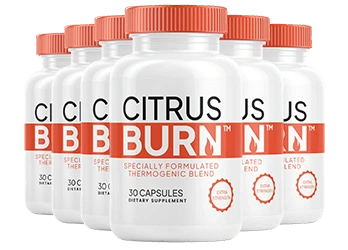
Final Verdict: Transform Your Metabolism with CitrusBurn
Clinically studied natural ingredients for fat burning, appetite control, and metabolic activation in 2026.