Are You Walking Enough to Really Lose Weight?
Walking is one of the simplest, most accessible forms of exercise, often hailed as a cornerstone of a healthy lifestyle. For many, it's the first step towards a weight loss journey, a gentle yet effective way to get moving. However, the common advice about "getting your steps in" often leaves people wondering: how many steps do I *actually* need to walk to see real, tangible weight loss results?
The truth is, while every step counts, there’s a significant difference between walking for general health and walking specifically for weight loss. It's not just about the raw number; it's about consistency, intensity, and how those steps integrate with your overall lifestyle to create a metabolic transformation that supports fat burning and sustained energy. Let's delve into the science to uncover the optimal strategy.

The 10,000 Steps Myth vs. Reality for Weight Loss
The ubiquitous goal of 10,000 steps per day has become synonymous with a healthy lifestyle, but its origins are less scientific than you might think. This number actually stems from a marketing campaign for a Japanese pedometer in the 1960s.
While 10,000 steps is an excellent benchmark for general health and can certainly contribute to weight management, it’s not a magic number for everyone, especially when the primary goal is significant weight loss. For some, it might be too ambitious initially, leading to burnout. For others, particularly those who are already active, it might not be enough to create the necessary caloric deficit to shed pounds effectively. The reality is that the optimal number of steps for weight loss is highly individual and depends on various factors including your current weight, diet, metabolic rate, and the intensity of your walks.
Modern research suggests that even fewer steps can yield substantial health benefits. Studies have shown that reaching just 7,000-8,000 steps per day can significantly reduce the risk of chronic diseases and mortality. However, for active weight loss, particularly targeting stubborn fat stores, we often need to push beyond these baseline recommendations. It’s crucial to understand that simply accumulating steps throughout the day might not be enough if those steps are mostly low-intensity. The quality of your steps often matters as much as the quantity.
How Many Steps to *Actually* See Results for Weight Loss
To move beyond general health and genuinely target weight loss, you need a more strategic approach to your daily step count. This isn't just about movement; it's about creating a sustained energy expenditure that signals your body to tap into fat reserves.
For most individuals aiming for a healthy and sustainable weight loss of 1-2 pounds per week, a caloric deficit of 500-1000 calories per day is typically recommended. While diet plays the largest role in achieving this, walking can significantly contribute. A brisk walk burns approximately 100 calories per mile for an average person. This means to burn an extra 300-500 calories through walking alone, you’d need to walk an additional 3-5 miles, which translates to roughly 6,000-10,000 steps.
Considering your baseline activity, here's a more nuanced breakdown:
- For general health and maintenance: Aim for 7,000-8,000 steps per day. This is a great starting point for those new to regular activity.
- For moderate weight loss: Target 8,000-10,000 steps per day, with a significant portion of these being brisk. This level, combined with a mindful diet, can help create a noticeable caloric deficit.
- For accelerated or significant weight loss: Strive for 10,000-12,000+ steps per day, focusing on consistent, brisk walking sessions. This higher volume of activity increases your total daily energy expenditure (TDEE) and can significantly aid in fat burning.
It's vital to remember that these numbers are guides. Listen to your body and increase your step count gradually to prevent injury and burnout. Consistency is far more important than hitting a huge number once a week. Every step contributes to your daily energy balance, influencing your body's ability to burn fat and manage weight. For more insights on metabolic health, you might find our article on how inflammation causes weight gain and how to stop it particularly illuminating, as inflammation can hinder weight loss efforts regardless of activity levels.
Beyond Steps: The Critical Role of Intensity and Duration
Counting steps is a great motivator, but the effectiveness of your walk for weight loss isn't solely determined by the numerical tally. The intensity and duration of your walking sessions are equally, if not more, crucial for stimulating your metabolism and burning fat.
A leisurely stroll, while relaxing, doesn't elevate your heart rate enough to trigger significant fat oxidation. For weight loss, you need to aim for a brisk walk. This means walking at a pace where you can still talk, but not comfortably sing. Your breathing should be noticeably heavier, and you should feel a slight increase in body temperature. This level of intensity puts you in the moderate-intensity exercise zone, where your body becomes more efficient at burning fat for fuel.
Duration also plays a key role. While short, frequent walks are beneficial, a longer, sustained period of moderate-intensity walking (e.g., 30-60 minutes) allows your body to enter a more effective fat-burning state. After about 20 minutes of continuous moderate activity, your body typically shifts from primarily burning carbohydrates to utilizing more stored fat for energy. Therefore, aiming for at least 30 minutes of brisk walking most days of the week is a powerful strategy.
Consider incorporating these elements to boost your walking effectiveness:
- Incline walking: If you have access to hills or a treadmill, walking on an incline significantly increases calorie expenditure and engages more muscle groups, particularly in your glutes and hamstrings.
- Interval walking: Alternate between periods of brisk walking and faster power walking or even light jogging. These bursts of higher intensity can create an "afterburn effect" (EPOC - Excess Post-exercise Oxygen Consumption), where your body continues to burn calories at an elevated rate even after your walk.
- Weighted vests: For experienced walkers, adding a light weighted vest can increase the challenge and calorie burn without putting excessive strain on joints, unlike hand weights.
Optimizing Your Walking Routine for Maximum Fat Loss
Transforming your daily walk into a potent fat-burning session requires more than just showing up. Strategic planning and mindful execution can significantly amplify your results.
First, consistency is paramount. Aim to walk most days of the week, ideally 5-7 days. Building a routine helps establish a habit and ensures a steady caloric expenditure. Even on busy days, short bursts of brisk walking are better than nothing. Second, track your progress. A pedometer, fitness tracker, or smartphone app can help you monitor your steps, distance, pace, and even estimated calories burned. Seeing your progress can be a huge motivator and helps you identify areas for improvement. You can gradually increase your daily step goal by 500-1000 steps each week as you get fitter.
Third, incorporate variety. Walking the same route at the same pace every day can lead to a plateau. Explore new paths, try different terrains, or vary your pace. This keeps your body challenged and prevents boredom. Consider walking with a friend or joining a walking group for added motivation and accountability. Finally, don't neglect your diet. Walking for weight loss is most effective when paired with a balanced, nutritious diet that creates a modest caloric deficit. Exercise helps, but you can't out-walk a consistently poor diet. For a deeper dive into making dietary changes, you might be interested in reading about how to lose weight naturally without exercise, which emphasizes the critical role of nutrition.
The Role of Metabolism in Walking for Weight Loss
Understanding your metabolism is crucial for anyone embarking on a weight loss journey, especially when walking is a primary form of exercise. Your metabolism is the process by which your body converts what you eat and drink into energy.
When you walk, particularly at a brisk pace, you increase your metabolic rate. This means your body burns more calories not just during the activity, but also for a period afterward, thanks to the aforementioned EPOC effect. Regular, consistent walking can help improve your overall metabolic health, making your body more efficient at burning fat and utilizing glucose. It can also enhance insulin sensitivity, which is vital for preventing fat storage and managing blood sugar levels.
However, metabolism isn't solely determined by exercise. Factors like age, genetics, muscle mass, and even sleep quality play significant roles. As we age, our metabolism naturally tends to slow down, making weight loss more challenging. Building and maintaining muscle mass through activities like walking (especially with inclines) helps, as muscle tissue burns more calories at rest than fat tissue. Furthermore, chronic stress and inadequate sleep can disrupt hormones that regulate metabolism and appetite, potentially hindering your weight loss efforts. This complex interplay highlights why a holistic approach, combining consistent walking with other healthy habits, is most effective.
Nutritional Support for Enhanced Walking and Weight Loss
While walking is a fantastic way to burn calories and boost your metabolism, nutrition remains the cornerstone of any successful weight loss plan. What you eat directly impacts your energy levels for walking and your body's ability to shed fat.
Focus on a diet rich in whole, unprocessed foods. Prioritize lean proteins, which help build and repair muscle, keep you feeling full, and have a higher thermic effect (meaning your body burns more calories digesting them). Include plenty of fiber from fruits, vegetables, and whole grains, as fiber aids digestion, promotes satiety, and helps stabilize blood sugar. Healthy fats, found in avocados, nuts, and olive oil, are essential for hormone production and overall health, though they should be consumed in moderation due to their high caloric density.
Hydration is also critical. Drinking enough water supports metabolic processes, helps transport nutrients, and can even help you feel fuller. Sometimes, what feels like hunger is actually thirst. Additionally, certain natural ingredients have been studied for their ability to support metabolism and fat burning, complementing your walking efforts. This is where targeted nutritional support can play a role, offering an extra edge to optimize your body’s natural processes as you work towards your weight loss goals.
💡 Key Takeaway
For effective weight loss, aim for 8,000-12,000 steps per day at a brisk pace, consistently. Combine this with a balanced diet and consider natural metabolic support to maximize fat burning and see tangible results.
The Multifaceted Benefits of a Consistent Walking Routine
Beyond the numbers on the scale, regular walking offers a cascade of health benefits that enhance your overall well-being, making your weight loss journey more enjoyable and sustainable.
Improved Cardiovascular Health
Consistent brisk walking strengthens your heart, lowers blood pressure, and improves circulation. It reduces the risk of heart disease, stroke, and type 2 diabetes by enhancing your body's ability to manage blood sugar and cholesterol levels. This foundational benefit supports every other aspect of your health.
Enhanced Mood and Mental Well-being
Walking releases endorphins, natural mood elevators that can reduce stress, anxiety, and symptoms of depression. Spending time outdoors, even for short periods, can further boost mood and provide a sense of calm. It's a powerful tool for mental clarity and emotional resilience.
Increased Energy Levels and Better Sleep
While it might seem counterintuitive, regular physical activity like walking can significantly boost your energy levels throughout the day. It also promotes deeper, more restorative sleep at night, which is crucial for hormone regulation, recovery, and overall metabolic function. Quality sleep directly impacts your ability to lose weight.
Stronger Bones and Joints
Walking is a low-impact exercise that helps strengthen bones and improve joint flexibility and lubrication. It can reduce the risk of osteoporosis and alleviate symptoms of arthritis, making it an ideal activity for people of all ages and fitness levels. It supports mobility and reduces the risk of falls.
Better Digestion and Reduced Bloating
Physical activity stimulates the muscles in your digestive tract, promoting regular bowel movements and reducing issues like constipation and bloating. A healthy digestive system is essential for nutrient absorption and overall gut health, which is increasingly linked to weight management.
Boosted Immune System Function
Moderate exercise like walking can strengthen your immune system, making you less susceptible to common colds and other infections. Regular activity helps circulate immune cells more efficiently throughout the body, preparing them to fight off pathogens more effectively.
Factors Influencing Your Walking Weight Loss Results
Individual Metabolism
Everyone's metabolism is unique, influenced by genetics, age, gender, and muscle mass. Some people naturally burn calories faster than others. Understanding your own metabolic rate can help tailor your walking and dietary strategies for optimal results.
Dietary Habits
Exercise and diet go hand-in-hand. Even extensive walking can be undermined by a high-calorie diet. A balanced, calorie-controlled diet is crucial to create the necessary energy deficit for weight loss. Focus on whole foods and portion control.
Consistency & Adherence
Sporadic walking yields minimal results. The key to seeing significant weight loss is consistency. Establishing a regular walking schedule and sticking to it, even on challenging days, builds momentum and long-term success.
Sleep Quality
Poor sleep can disrupt hormones that regulate appetite (ghrelin and leptin) and metabolism, leading to increased cravings and fat storage. Prioritizing 7-9 hours of quality sleep per night is essential for effective weight management and recovery from exercise.
Stress Levels
Chronic stress triggers the release of cortisol, a hormone that can promote belly fat storage and increase appetite. Managing stress through walking, meditation, or other relaxation techniques is vital for both mental well-being and weight loss.
Starting Weight & Health Status
Individuals with a higher starting weight often see faster initial weight loss due to a larger caloric deficit being easier to achieve. Underlying health conditions or medications can also impact weight loss, making professional medical advice important.
Key Ingredients in CitrusBurn: Supporting Your Metabolic Goals
While walking and a healthy diet form the foundation of weight loss, certain natural ingredients can offer additional support by targeting key metabolic processes. CitrusBurn is formulated with a blend of potent ingredients chosen for their scientifically-backed roles in metabolism, energy, and fat burning.

Andalusian Red Pepper
Role: Known for its capsaicinoids, which can increase thermogenesis (heat production) in the body, leading to a higher calorie burn. It also helps boost metabolism and reduce appetite, making it easier to maintain a caloric deficit.
Typical dose: 100-200mg
Berberine
Role: A powerful plant alkaloid that helps regulate blood sugar and improve insulin sensitivity, crucial for preventing fat storage. It also activates AMPK, an enzyme that plays a central role in cellular energy and metabolic regulation, promoting fat burning.
Typical dose: 500mg-1500mg
Korean Red Ginseng
Role: Renowned for its adaptogenic properties, Korean Red Ginseng helps the body manage stress, which can indirectly support weight loss by reducing cortisol levels. It also boosts energy and stamina, helping you power through your walks and daily activities, while also supporting healthy glucose metabolism.
Typical dose: 200mg-400mg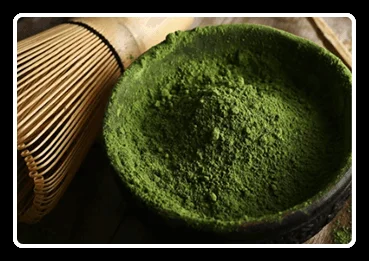
Ceremonial Green Tea (EGCG)
Role: Rich in antioxidants, particularly EGCG (Epigallocatechin gallate), Green Tea is well-known for its metabolism-boosting and fat-oxidizing effects. It helps increase energy expenditure and selectively targets fat cells for burning, especially during exercise.
Typical dose: 200mg-500mg EGCG
Himalayan Mountain Ginger
Role: Ginger has thermogenic properties and can help increase calorie expenditure. It also supports digestion, reduces inflammation, and can help suppress appetite, contributing to a more comfortable and effective weight loss journey.
Typical dose: 250mg-500mgBy incorporating these ingredients, CitrusBurn aims to provide comprehensive metabolic support, helping your body work more efficiently with your walking efforts to achieve your weight loss goals. Always consult with a healthcare professional before starting any new supplement regimen.
Supercharge Your Weight Loss Journey with CitrusBurn
You've learned the science behind walking for weight loss and how to optimize your steps for real results. Now, imagine amplifying those efforts with a natural supplement designed to support your body's fat-burning potential. CitrusBurn is crafted to work synergistically with your active lifestyle, helping to ignite your metabolism and boost your energy so you can get the most out of every step.
- ✓ Supports a healthy metabolism
- ✓ Enhances natural fat burning
- ✓ Boosts energy levels without jitters
- ✓ Made with 100% natural ingredients
- ✓ Easy to incorporate into your daily routine



Real People, Real Results: Hear From CitrusBurn Users
"I was struggling to lose those last stubborn pounds, even with daily walks. After adding CitrusBurn, I felt a noticeable difference in my energy and my clothes started fitting better. It's truly helped me push past my plateau!"
"Walking is my go-to exercise, but I always felt my metabolism was sluggish. CitrusBurn changed that. I feel more active, my digestion is better, and I've lost 7 pounds in the first month without changing my routine drastically."
"As someone who's always been active, I was skeptical, but CitrusBurn delivered. It gives me that extra boost of energy for my longer walks and I've seen a definite improvement in my body composition. Highly recommend!"
Frequently Asked Questions
How many steps do I actually need for weight loss?
+While 10,000 steps is a popular goal, research suggests that for noticeable weight loss, aiming for 8,000-12,000 steps per day, combined with moderate intensity and a balanced diet, is more effective. Consistency and gradually increasing your step count are key.
Is walking intensity important for burning fat?
+Yes, intensity plays a crucial role. While any walking burns calories, increasing your pace to a brisk walk (where you can talk but not sing) elevates your heart rate and boosts fat burning. Incorporating inclines or short bursts of faster walking can further enhance calorie expenditure and metabolic rate.
How long does it take to see weight loss results from walking?
+Results vary based on individual factors like starting weight, diet, and consistency. However, with a consistent routine of 8,000-12,000 steps per day at a moderate to brisk pace, combined with a healthy diet, many individuals can start to see noticeable changes within 4-8 weeks, with more significant results over 3-6 months.
Can walking alone lead to significant weight loss?
+Walking is an excellent tool for weight loss, but for significant and sustainable results, it's most effective when combined with a balanced, calorie-controlled diet. Walking helps burn calories, improve metabolism, and reduce stress, but dietary changes are often necessary to create the caloric deficit needed for substantial weight loss.
What are common mistakes people make when walking for weight loss?
+Common mistakes include underestimating calorie intake, not walking consistently, maintaining too low an intensity, failing to track progress, and not giving the body adequate rest. Overcompensating with food after a walk is also a frequent pitfall that can negate efforts.
How can CitrusBurn support my walking and weight loss goals?
+CitrusBurn is formulated with natural ingredients like Andalusian Red Pepper, Berberine, and Green Tea that are known to support metabolism, enhance fat burning, and boost energy levels. By optimizing these internal processes, CitrusBurn can complement your walking routine, helping you get more out of your efforts and potentially see results faster.
Related Articles
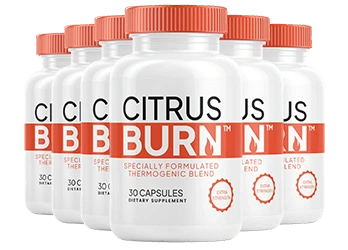
Final Verdict: Transform Your Metabolism with CitrusBurn
Clinically studied natural ingredients for fat burning, appetite control, and metabolic activation in 2026.