Feeling like weight loss is an uphill battle? You're not alone.
Many women experience unique frustrations on their weight loss journey, often feeling as though the scales are tipped against them. It's not just about willpower; a complex interplay of biology, hormones, and lifestyle factors can make shedding pounds significantly more challenging for women than for men.
Understanding these underlying mechanisms is the first step toward finding sustainable solutions and achieving your health goals. This article will delve into the science behind why women often find weight loss harder and introduce you to practical strategies and natural aids that can truly make a difference in your journey.
The Biological Blueprint: Why Women Face Unique Weight Loss Hurdles
It's not just in your head; there are concrete physiological reasons why women often find weight loss to be a more formidable challenge than men. Understanding these biological differences is key to developing effective strategies.
From the moment of puberty through menopause, a woman's body is a symphony of fluctuating hormones. These hormonal shifts, particularly involving estrogen and progesterone, play a critical role in metabolism, fat distribution, and even appetite regulation. For instance, estrogen tends to promote fat storage, especially around the hips and thighs, preparing the body for potential childbearing. While essential for reproduction, this biological imperative can make shedding fat from these "stubborn" areas particularly difficult. During the menstrual cycle, fluctuations can lead to increased cravings, water retention, and fatigue, all of which can derail even the most disciplined efforts.
Beyond cyclical changes, major life stages like pregnancy and menopause introduce significant metabolic shifts. Pregnancy naturally involves weight gain to support fetal development, and postpartum weight loss can be complicated by sleep deprivation, stress, and breastfeeding demands. Menopause, characterized by a decline in estrogen, often leads to a redistribution of fat from the hips and thighs to the abdomen, increasing the risk of visceral fat accumulation. This abdominal fat is not only cosmetically undesirable but also metabolically active, contributing to insulin resistance and inflammation.
Another crucial factor is basal metabolic rate (BMR). On average, women have a lower BMR than men. This is primarily due to differences in body composition; women naturally have a higher percentage of body fat and less muscle mass compared to men. Muscle tissue is more metabolically active than fat tissue, meaning it burns more calories at rest. Therefore, a woman's body naturally burns fewer calories throughout the day, requiring a more precise calorie deficit to achieve weight loss.
Furthermore, women are disproportionately affected by certain medical conditions that can impact weight. Conditions like Polycystic Ovary Syndrome (PCOS), which affects millions of women worldwide, can lead to insulin resistance, hormonal imbalances, and significant weight gain, particularly around the midsection. Thyroid disorders, especially hypothyroidism (underactive thyroid), are also far more prevalent in women and can severely slow metabolism, causing weight gain and making weight loss extremely difficult.
The interplay of these biological factors creates a unique landscape for women's weight loss. It highlights that success isn't just about "eating less and moving more" but about understanding and addressing these deeper physiological nuances.
💡 Key Takeaway
Women face distinct biological hurdles in weight loss, including hormonal fluctuations (estrogen, progesterone, cortisol), lower basal metabolic rates due to body composition, and higher prevalence of conditions like PCOS and thyroid disorders. These factors make a "one-size-fits-all" approach ineffective.
Beyond Biology: Lifestyle and Environmental Factors
While biology lays the foundation, modern lifestyle and environmental pressures further complicate the weight loss equation for women.
Chronic Stress & Cortisol
Women often juggle multiple roles – career, family, social life – leading to higher levels of chronic stress. This stress elevates cortisol, a hormone that promotes fat storage, especially in the abdominal area, and increases cravings for sugary, high-fat foods. This creates a vicious cycle where stress leads to weight gain, which then adds to stress.
Sleep Deprivation
The demands on women's time frequently lead to inadequate sleep. Poor sleep disrupts hormones that regulate appetite (ghrelin and leptin), leading to increased hunger and reduced satiety. It also impairs insulin sensitivity and can reduce willpower, making healthy food choices harder to maintain.
Emotional Eating
Societal pressures and emotional burdens can drive women towards food for comfort. Emotional eating is a significant barrier to weight loss, as it often involves consuming large quantities of calorie-dense foods, irrespective of physical hunger. Breaking this cycle requires addressing underlying emotional triggers.
Lack of Strength Training
Many women focus solely on cardio for weight loss, often due to misconceptions about "bulking up." However, inadequate strength training means missing out on the most effective way to build muscle mass, which is crucial for boosting metabolism and improving body composition, especially as we age.
Societal & Self-Image Pressures
Women are constantly bombarded with images of "ideal" body types, leading to body dissatisfaction and unhealthy dieting cycles. The pressure to conform can lead to restrictive eating, which often backfires, causing metabolic slowdown and rebound weight gain.
Diet Culture & Misinformation
The pervasive diet industry often targets women with quick fixes and restrictive plans that are unsustainable and can damage metabolism in the long run. Navigating conflicting information and identifying truly healthy, long-term strategies is a challenge in itself.
Empowering Your Journey: What Truly Helps Women Lose Weight
Given the unique challenges, a generalized approach to weight loss simply won't cut it for women. A holistic, personalized strategy that addresses biological, lifestyle, and psychological factors is essential for sustainable success.
1. Prioritize Protein and Fiber: These two macronutrients are game-changers for women. Protein helps maintain muscle mass, which is vital for a healthy metabolism, and keeps you feeling full longer. Fiber, found in fruits, vegetables, and whole grains, aids digestion, stabilizes blood sugar, and promotes satiety. Aim for a lean protein source at every meal and fill half your plate with non-starchy vegetables.
2. Embrace Strength Training: Don't fear the weights! Strength training is arguably the most impactful exercise for women's weight loss. It builds muscle, which significantly boosts your resting metabolic rate, helping you burn more calories even when you're not exercising. It also improves bone density, crucial for women's long-term health. Incorporate 2-3 full-body strength sessions per week.
3. Manage Stress Effectively: Given cortisol's impact, stress management is non-negotiable. Techniques like mindfulness meditation, yoga, deep breathing exercises, spending time in nature, or engaging in hobbies you love can significantly lower stress levels. Prioritizing "me-time" isn't selfish; it's essential for metabolic health.
4. Optimize Your Sleep: Quality sleep is as important as diet and exercise. Aim for 7-9 hours of uninterrupted sleep per night. Create a consistent sleep schedule, make your bedroom dark and cool, and avoid screens before bed. Good sleep helps regulate appetite hormones, improves insulin sensitivity, and boosts energy for workouts.
5. Understand Your Hormones: Pay attention to your body's signals. If you suspect hormonal imbalances (e.g., irregular periods, excessive fatigue, unexplained weight gain), consult a healthcare professional. Conditions like PCOS or thyroid issues require medical attention and can significantly impact your weight. Working with a doctor to address these can be a critical step.
6. Mindful Eating Practices: Slow down and truly savor your food. Pay attention to hunger and fullness cues. This helps prevent overeating and fosters a healthier relationship with food. Avoid distractions while eating and practice gratitude for your meals.
7. Stay Hydrated: Often overlooked, adequate water intake is fundamental for metabolism, digestion, and satiety. Sometimes, what feels like hunger is actually thirst. Aim for at least 8 glasses of water daily, more if you're active.
8. Seek Support and Accountability: Whether it's a supportive friend, a coach, or a community group, having accountability can make a huge difference. Sharing your journey and challenges can provide encouragement and motivation.
Natural Allies: How Specific Ingredients Can Support Women's Metabolism
Beyond foundational lifestyle changes, certain natural ingredients have been scientifically studied for their potential to support metabolism, enhance fat burning, and help manage weight, offering a complementary approach to your efforts.
Metabolism Boosting
Ingredients like specific pepper extracts and green tea are known to gently stimulate thermogenesis, increasing your body's calorie-burning capacity. This can help counteract the natural metabolic slowdown many women experience, especially with age or hormonal changes.
Enhanced Fat Burning
Certain plant compounds can help mobilize stored fat for energy. This means your body becomes more efficient at utilizing its fat reserves, rather than relying solely on carbohydrates, which is particularly beneficial for targeting stubborn fat areas common in women.
Blood Sugar Regulation
Maintaining stable blood sugar levels is crucial for preventing cravings and reducing fat storage, especially abdominal fat. Ingredients like Berberine have been studied for their ability to support healthy glucose metabolism, which can be a significant advantage for women prone to insulin resistance, such as those with PCOS.
Energy and Vitality
Weight loss efforts can sometimes lead to fatigue, making it harder to stay active. Natural energizers, like Korean Red Ginseng or specific tea extracts, can provide a sustained energy boost without jitters, supporting your motivation for exercise and daily activity.
Digestive Health Support
A healthy gut is fundamental to overall health and weight management. Ingredients that support digestion and gut flora can improve nutrient absorption and reduce bloating, contributing to a feeling of lightness and overall well-being. For example, Himalayan Mountain Ginger is known for its digestive benefits.
Appetite Control
Managing hunger and cravings is a perpetual challenge. Some natural compounds can help by promoting satiety or reducing the desire for unhealthy snacks, making it easier to adhere to a calorie-controlled diet without feeling deprived.
Exploring Key Ingredients for Metabolic Support
When considering natural support for your weight loss journey, it's beneficial to look for formulations that include well-researched ingredients known for their metabolic benefits. Here are a few examples:

Andalusian Red Pepper (Capsaicin)
Role: Known for its active compound, capsaicin, which can induce thermogenesis, increasing the body's calorie expenditure and fat oxidation. It supports a natural increase in metabolic rate. For more on this, read our article on Red Pepper Capsaicin for Fat Burning.
Typical dose: 2-4mg capsaicinoids
Berberine HCl + Korean Red Ginseng
Role: Berberine is studied for its ability to help regulate blood sugar and improve insulin sensitivity, crucial for preventing fat storage. Korean Red Ginseng is an adaptogen, supporting energy levels and reducing fatigue, which can be beneficial during a calorie deficit.
Typical dose: Berberine 500-1500mg, Ginseng 200-400mg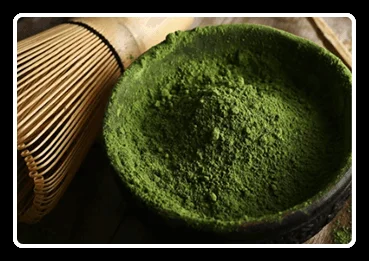
Ceremonial Green Tea (EGCG)
Role: Rich in catechins, particularly EGCG, which is a powerful antioxidant. EGCG is known to boost metabolism and promote fat oxidation, especially during exercise. It also provides a gentle energy lift without the jitters often associated with coffee.
Typical dose: 200-400mg EGCG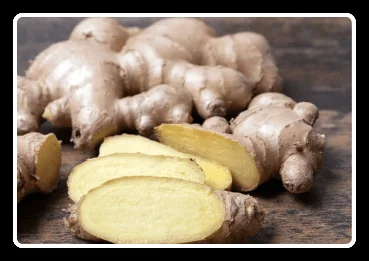
Himalayan Mountain Ginger
Role: Ginger has long been valued for its digestive benefits, helping to reduce bloating and improve gut motility. It also has thermogenic properties, contributing to increased calorie burning and supporting a healthy inflammatory response.
Typical dose: 500-2000mg powderThese ingredients, when combined in a thoughtful formulation, can provide comprehensive support for a woman's metabolism, energy, and overall weight management efforts. They are not replacements for a healthy lifestyle but powerful complements.
Ready to Give Your Metabolism the Support It Deserves?
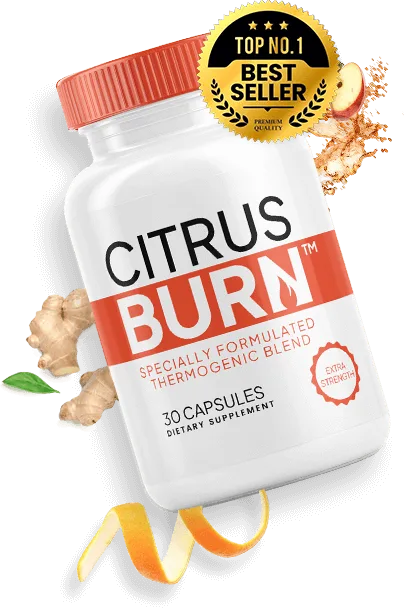
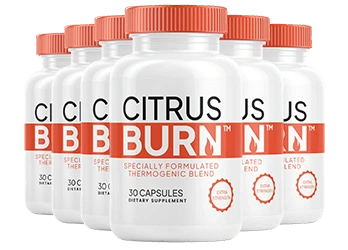
If you're a woman who's felt the frustration of a sluggish metabolism and stubborn weight, CitrusBurn offers a unique blend of these powerful, natural ingredients designed to synergistically support your body's fat-burning capabilities and energy levels. Many women have already experienced positive changes; you can read some of their stories here: CitrusBurn Reviews: Real Results.
- ✓ Supports natural thermogenesis
- ✓ Helps boost metabolic rate
- ✓ Enhances fat oxidation
- ✓ Promotes sustained energy without jitters
- ✓ Made with 100% natural ingredients



Hear From Women Who Found Their Breakthrough
"I've tried everything, but after 40, nothing seemed to work. CitrusBurn, combined with my new routine, finally helped me break through that plateau. I feel more energetic and lighter!"
"The biggest difference for me was the sustained energy. No more afternoon slumps, which made sticking to my workouts so much easier. I'm down two dress sizes!"
"As someone with a slow metabolism, I was skeptical. But the natural ingredients in CitrusBurn really seem to have kicked things into gear. I'm seeing consistent progress for the first time in years."
Frequently Asked Questions
Why is it generally harder for women to lose weight than men?
+Women typically have a lower basal metabolic rate due to less muscle mass and higher body fat percentage compared to men. Hormonal fluctuations throughout life (menstrual cycle, pregnancy, menopause) also profoundly impact metabolism, fat storage, and appetite regulation, making weight loss more complex.
How do hormonal changes impact a woman's weight loss journey?
+Estrogen, progesterone, and cortisol levels fluctuate significantly in women. Estrogen dominance can promote fat storage, especially around the hips and thighs. During menopause, declining estrogen often leads to increased abdominal fat. Cortisol, the stress hormone, also contributes to fat accumulation and can increase cravings for high-calorie foods, further complicating weight management.
What role does stress play in women's weight gain and difficulty losing it?
+Chronic stress elevates cortisol levels, which can disrupt metabolism, increase appetite, and promote fat storage, particularly in the abdominal area. Many women also turn to emotional eating as a coping mechanism for stress, leading to higher calorie intake and making consistent weight loss efforts more challenging.
Are there specific dietary strategies that are more effective for women's weight loss?
+For women, focusing on a diet rich in lean protein, fiber, and healthy fats is crucial. Adequate protein helps preserve muscle mass and boosts satiety. Fiber aids digestion and helps stabilize blood sugar. Mindful eating, portion control, and prioritizing nutrient-dense foods over processed ones are also highly effective strategies to support a woman's unique metabolic needs.
How important is exercise, particularly strength training, for women's metabolism?
+Exercise, especially strength training, is incredibly important for women. Building and maintaining muscle mass directly boosts resting metabolism, meaning you burn more calories even at rest. This helps counteract the natural decline in metabolism that occurs with age and hormonal shifts, making it easier to manage weight and improve body composition.
Can natural supplements help support women's weight loss efforts?
+While no supplement is a magic bullet, certain natural ingredients can indeed support women's weight loss when combined with a healthy diet and exercise. Ingredients like specific plant extracts, vitamins, and minerals can help optimize metabolism, enhance fat burning, support energy levels, and manage appetite. Always consult a healthcare professional before starting any new supplement regimen.
Related Articles

Final Verdict: Transform Your Metabolism with CitrusBurn
Clinically studied natural ingredients for fat burning, appetite control, and metabolic activation in 2026.